Buying Guide
Why You Shouldn't Buy a Refurbished Phone
A refurbished phone has already had its accident. What's going on inside modern devices, and why the damage you can't see is the problem.
A refurbished phone has already had its accident. What's going on inside modern devices, and why the damage you can't see is the problem.
A refurbished phone looks like a good deal: the model you wanted, a lot cheaper, "tested and certified."
We open up phones, tablets, laptops and consoles every day, so we see what's inside them. After years of that, we'd tell you to think hard before buying refurbished. It comes down to how modern devices are built and what a drop does to them.
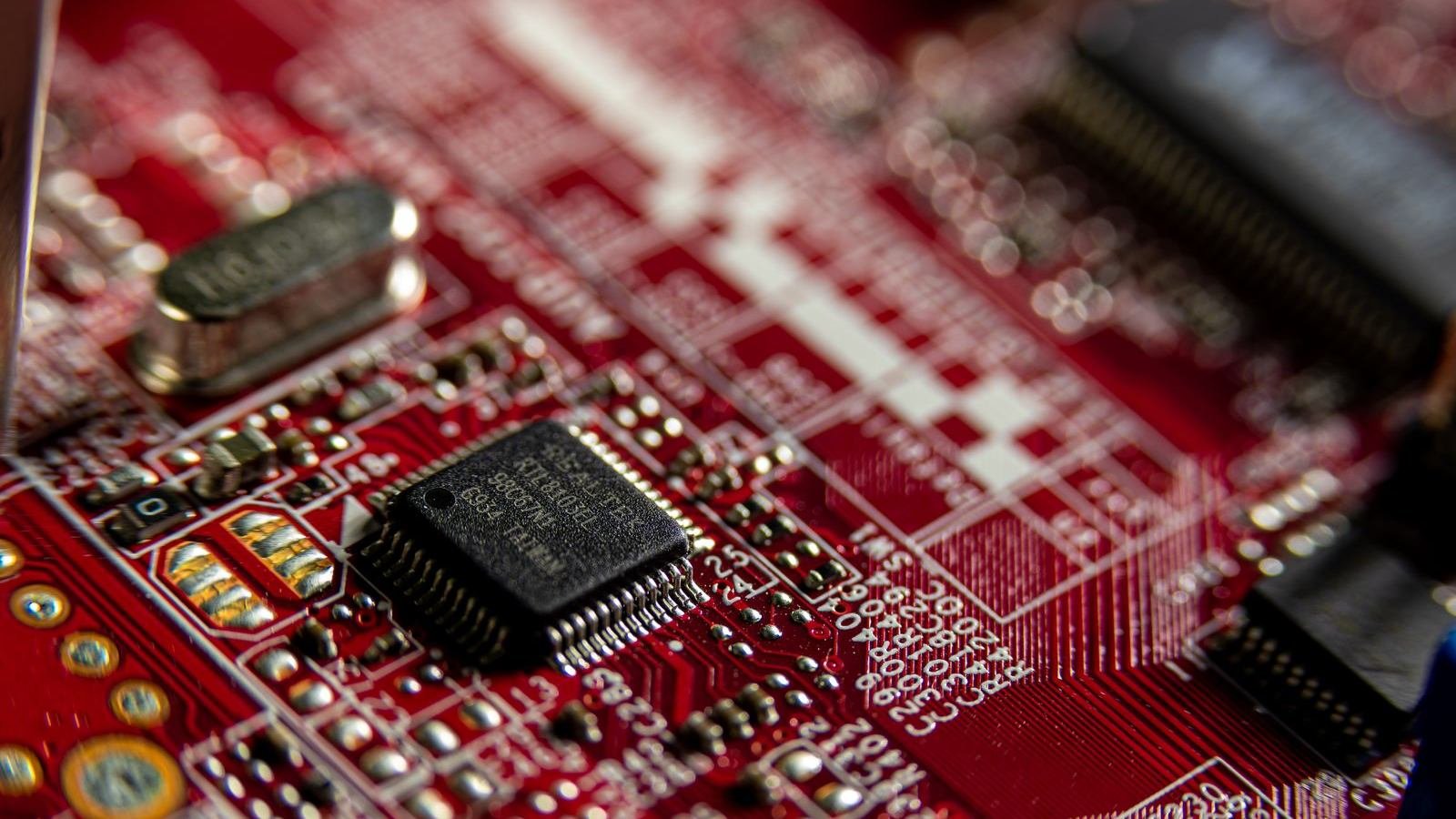
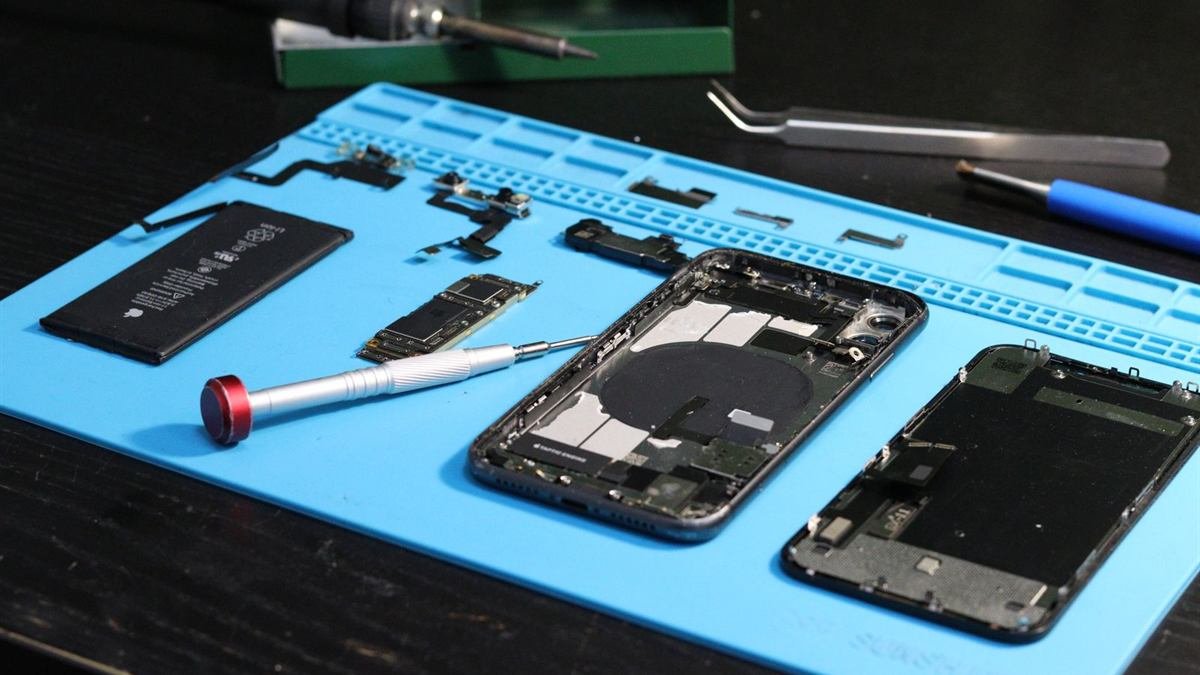
The logic board is the brain of your device: the processor, memory, storage controller, and the chips that handle cellular, Wi-Fi and power. In older phones it was a single flat board. To fit more into a thinner body, most modern phones (iPhone X and newer, and many Android flagships) use a stacked, "sandwich" logic board: two boards layered on top of each other and soldered together around the edges, with the components packed in between.
That saves space, but it means far more connections than the old single-layer design, and they're tiny:
A phone dropped on concrete takes a hard knock. The glass may crack, or it may not. Either way, the shock travels through the whole body and the board flexes slightly. A single-layer board from ten years ago could absorb that. A packed sandwich board with thousands of microscopic joints is much more likely to have a few of them crack or lift.
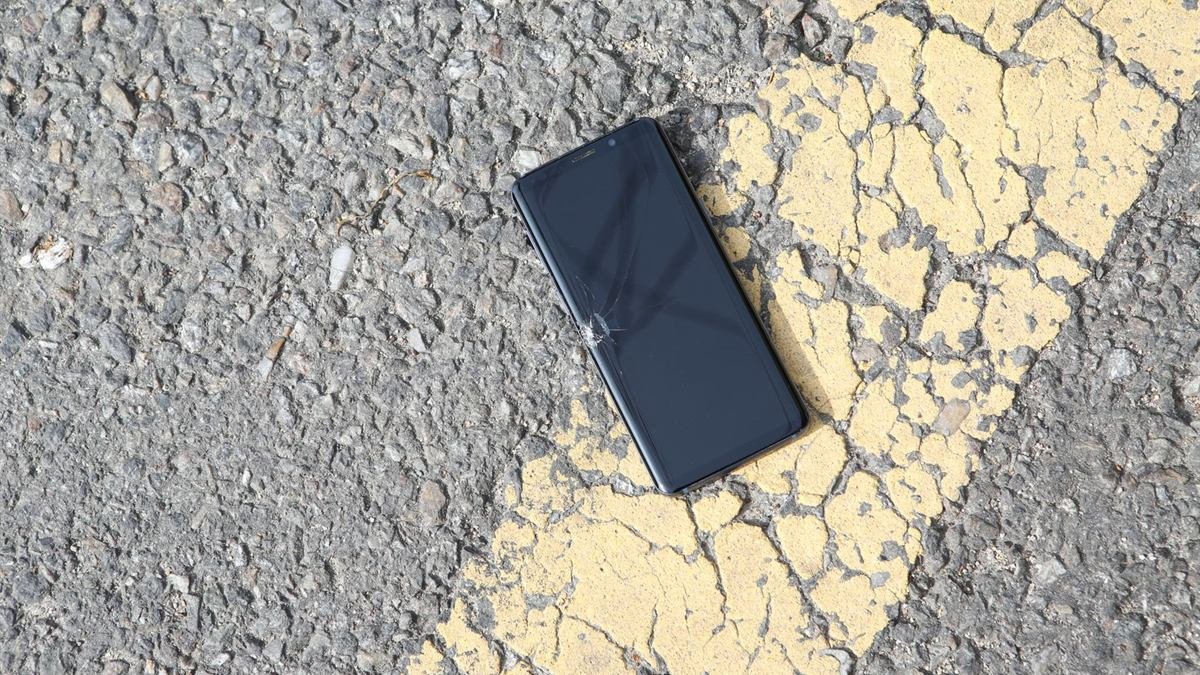
You can't see this damage. It's a hairline crack in a tiny solder joint, and a cracked joint doesn't always mean a dead phone:
A phone that works isn't always a healthy phone. A phone with a damaged board can pass every quick test on the day you buy it. The problem shows up weeks or months later: random restarts, Wi-Fi or Bluetooth dropping out, a camera that glitches, signal that comes and goes, a battery that drains for no reason, or a phone that gets hot while doing nothing.
Faults that come and go are the hardest to catch, because a test is only a snapshot. Someone runs through a checklist: screen, speakers, cameras, buttons, charging, signal. If everything responds in those ten minutes, it passes. A weakened connection that only misbehaves under heat, or after a few weeks, isn't going to show up on that bench.
Finding it would mean taking the board apart and inspecting it under a microscope, or running long stress tests on every single unit. That takes real time and money, and the lower price of refurbished phones leaves no room for it.
Say you're buying a used car that you know was in a collision. The body shop does good work. The bumper is replaced, the dents are pulled, the panel is repainted, and it looks great and drives fine. It passes inspection.
But the shop fixed what it could see, and what affected how the car drives. Nobody took the whole car apart to check every weld, every wire and every bracket for stress from the impact. The car may be fine for years. It may also have a problem hiding in the frame or the wiring that you won't find out about until much later.

A refurbished phone works the same way. After the accident, the refurbisher replaces or repairs what's visible and what changes how the device works: a cracked screen, a worn battery, a damaged housing, a dead speaker. That's the repair. The fatigue in the logic board, the microscopic joints that took the hit, usually doesn't get touched. It would cost more than the phone's discount, and it's often impossible to know it's there.
The same goes for tablets, laptops and any other device with a modern board inside.
Not every refurbished phone fails. Plenty run for years with no trouble. But it's a gamble, and you can't see the odds, because what decides it is on a part of the board nobody inspected.
If you still want one, here's how to lower the risk:
Bring your phone to 876 Danforth Ave and we'll tell you whether it's worth fixing.
Modern phones have thousands of tiny connections, and a drop can break some of them with no sign on the outside. A refurbished phone has usually had its accident already. What gets fixed is what you can see, and what's left is the damage you can't.
If you want to talk it over, come see us at 876 Danforth Ave, Toronto. We're open Monday to Friday 12–7pm and Saturday 12–5pm.
Header photo: Sergei Starostin / Pexels.